Natural-looking hair restoration starts with better planning.
Hair transplant in Madhapur and Dilsukhnagar for men and women at Transformance, covering donor assessment, hairline design, graft planning, FUE, FUT and long-term hair-loss management.
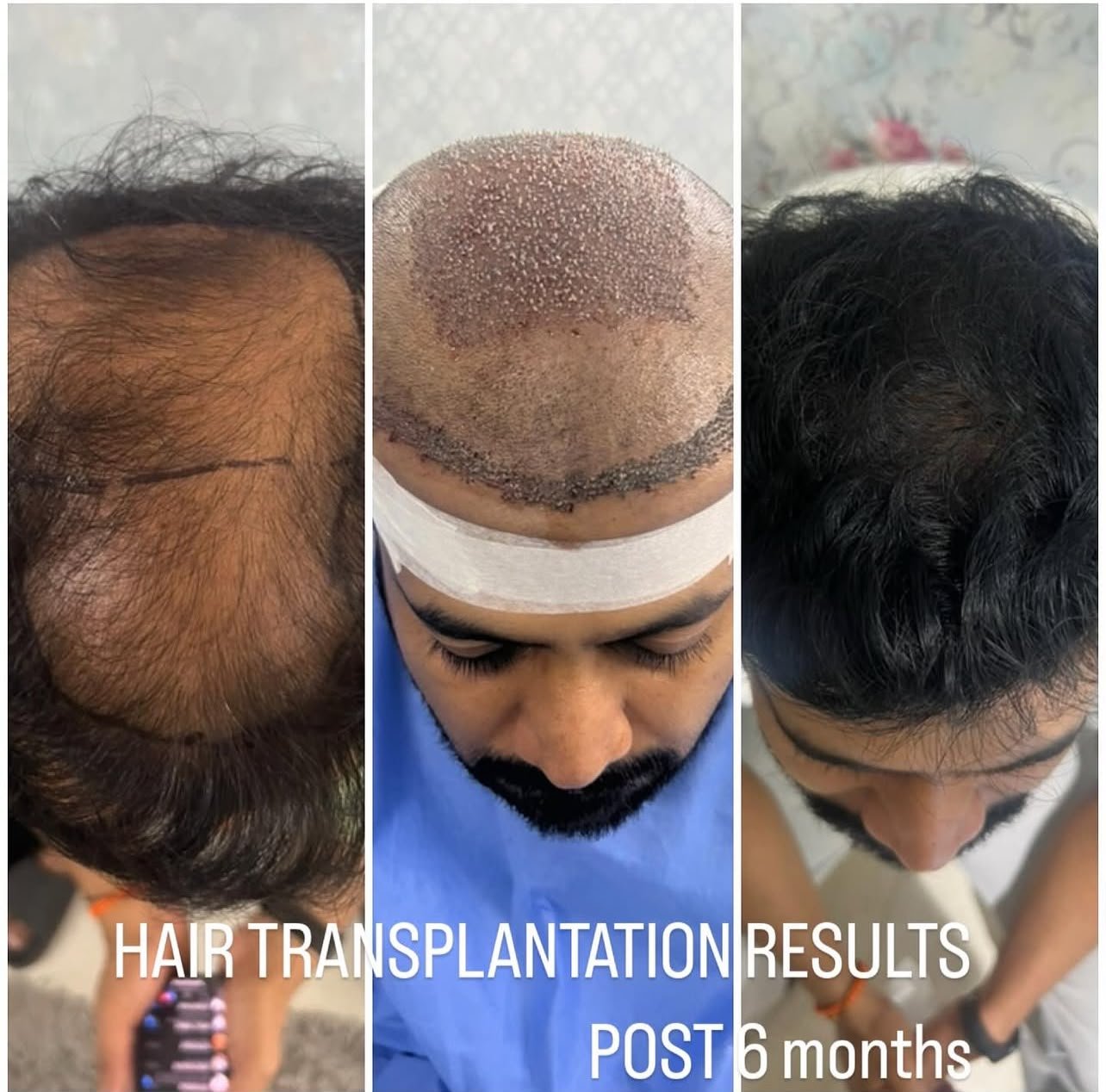
Is a Hair Transplant in Hyderabad right for you?
A transplant redistributes existing follicles; it does not create unlimited new donor hair. Candidacy depends on the diagnosis, donor density, hair characteristics, age, medical history and expected future hair loss.
Pattern hair loss
Men or women with suitable donor hair and a stable, diagnosable pattern may be considered after clinical assessment.
Explore hair-fall and scalp assessment →Hairline or temple recession
Hairline shape, facial proportions, age and future loss are considered before drawing a conservative design.
Understand hair-transplant cost factors →Crown thinning
Crown coverage requires careful graft allocation because the area can expand as hair loss progresses.
Explore PRP, GFC and exosome options →Beard restoration
Selected patchy or scar-related beard concerns may be evaluated for facial-hair transplantation.
Explore complete hair-restoration services →Women’s hair restoration
Female hair loss needs diagnosis first; diffuse thinning may not always provide an adequate donor area.
Read the women’s hair-loss pathway →Repair consultation
Previous transplant density, scars, graft direction and remaining donor reserve can be reviewed for possible correction.
Explore scalp micropigmentation and camouflage →Technique follows the treatment plan.
The method should be selected around the donor area, number of grafts, hairstyle, scalp characteristics and long-term strategy—not simply a branded procedure name.
Transformance Precision FUE
Our patient-facing name for personalised FUE planning and placement.
- Individual follicular-unit extraction
- Hairline and recipient-site planning
- Direction, angle and distribution considered
- Implanter-assisted placement when appropriate
FUE
Follicular units are removed individually from the donor area using small punches and placed into planned recipient sites.
- No linear strip scar
- Tiny circular extraction sites
- Donor shaving may be required
- Still a surgical procedure
FUT / strip method
A donor strip is surgically removed and dissected into follicular-unit grafts before implantation.
- Linear donor scar
- Sutures or staples may be used
- Can be considered for selected graft needs
- Requires surgeon-led suitability review
Understand the trade-offs.
Neither method is universally “best.” The right choice depends on donor management, graft requirement, scar preference, hairstyle and whether more procedures may be needed later.
FUE
FUT
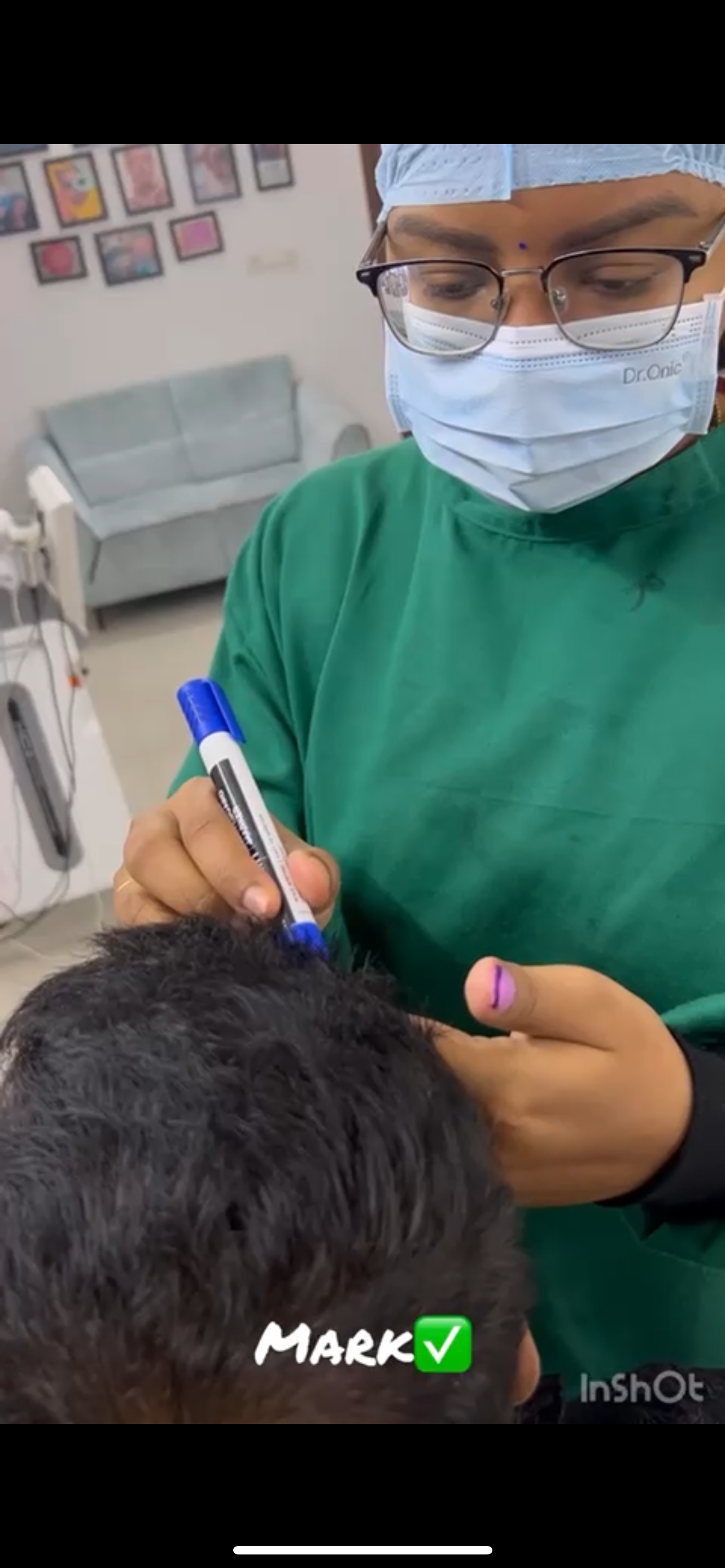
A natural result is designed—not copied.
A low or overly dense hairline can consume donor grafts and look less natural as surrounding hair loss progresses. Planning should balance coverage, density, age and long-term donor availability.
If donor supply is limited, ask which areas will be prioritised now and which may need a later plan. The clinically estimated safe graft range also helps explain the likely procedure scope and the written cost quotation.
What happens during a transplant?
The exact sequence varies by method and clinical plan. This overview helps patients prepare questions for an in-person consultation.
Assessment & design
Medical history, donor area, recipient zones and hairline are reviewed.
Donor harvesting
Grafts are obtained using the selected FUE or FUT approach.
Graft preparation
Follicular units are handled and organised for planned placement.
Recipient placement
Grafts are placed according to planned angle, direction and distribution.
Planning, procedure and growth.
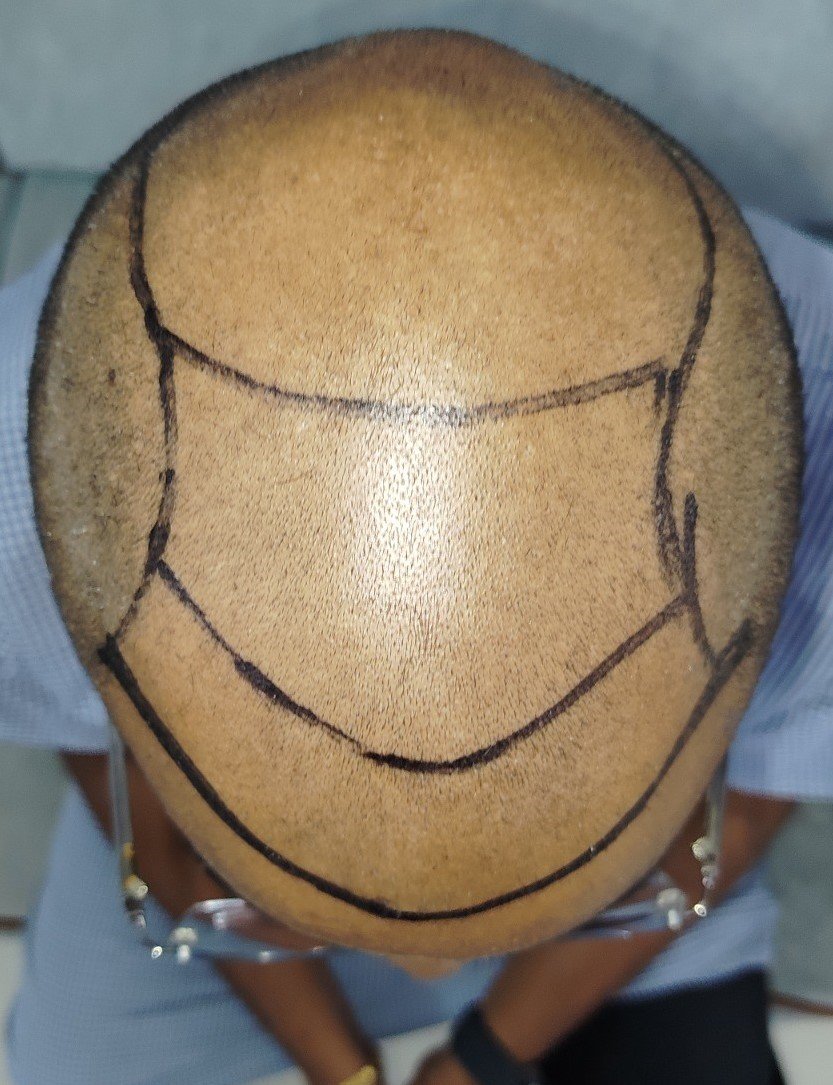
These are clinic case photographs. Individual graft survival, density, growth rate and cosmetic outcome vary; images do not guarantee the same result.
Protect the grafts
Follow washing, sleeping, medication and activity instructions carefully.
Temporary shedding
Transplanted hairs commonly shed before new growth begins.
Early visible growth
Growth timing and texture differ between patients.
Maturing result
Many patients see substantial change over this period; crown areas may mature later.
Cost depends on the clinical plan.
A reliable estimate requires donor examination and recipient-area planning. Comparing only a per-graft quote can overlook technique, team involvement, graft handling, aftercare and long-term donor strategy.
Hair transplant FAQs.
Which is better: FUE or FUT?
Neither is best for everyone. FUE avoids a linear strip scar but creates many small extraction scars. FUT leaves a linear scar and may be considered in selected donor-management plans. A surgeon should recommend the method after examination.
What is Transformance Precision FUE?
It is our patient-facing name for a personalised FUE workflow covering donor assessment, hairline design, recipient-site planning and careful graft placement. It is not claimed to be a newly invented surgical technique.
How many grafts will I need?
The estimate depends on recipient area, desired coverage, hair calibre, donor density, existing hair and future loss. It cannot be confirmed accurately from photographs alone.
Is a hair transplant permanent?
Transplanted follicles may provide long-lasting growth, but surrounding non-transplanted hair can continue thinning. Diagnosis, donor selection and long-term planning remain important.
When will transplanted hair start growing?
Temporary shedding commonly occurs during the early weeks. New growth develops gradually; many patients see clearer change between six and nine months, while maturation may continue for twelve months or longer.
Is FUE scarless?
No. FUE does not create one linear strip scar, but every extraction produces a small circular wound that heals with some degree of scarring.
Can women undergo hair transplantation?
Some women may be candidates, especially when a suitable donor area is present. Diffuse thinning, medical causes and active scalp conditions need assessment before surgery is considered.
Can beard hair be transplanted?
Selected beard-restoration cases may be considered. Facial skin, hair direction, donor availability, scarring and the desired shape must be assessed carefully.
How long is recovery?
Visible redness, crusting or swelling varies. Grafts need particular protection for the first two weeks, and your surgeon will provide personalised washing and activity instructions.
What are the possible risks?
Risks can include bleeding, infection, swelling, altered sensation, visible scarring, poor growth, unnatural direction or density and the need for further treatment. These should be discussed during informed consent.
How much does a hair transplant cost in Hyderabad?
Cost depends on graft requirement, technique, complexity, team and aftercare. An in-person donor and recipient-area assessment is needed for a meaningful estimate.
Do I need treatment after a transplant?
A transplant does not stop continuing hair loss in non-transplanted areas. Your clinician may discuss medical or non-surgical management when appropriate.
Discuss your donor area and restoration goals.
Send your details and our clinic team will contact you. Technique, graft estimate and candidacy are confirmed only after clinical assessment.
Choose your Hyderabad clinic
Explore treatment availability and clinic details at your preferred Transformance location.